
Contingency and the Wheel of Fate
The Glass RoomThis flow traces the novel’s recurring tension between deliberate planning and the accidents that redirect lives.
increasing Bearing strength in each event
 decreasing
Bearing strength in each eventdecreasingAn Accidental Meeting
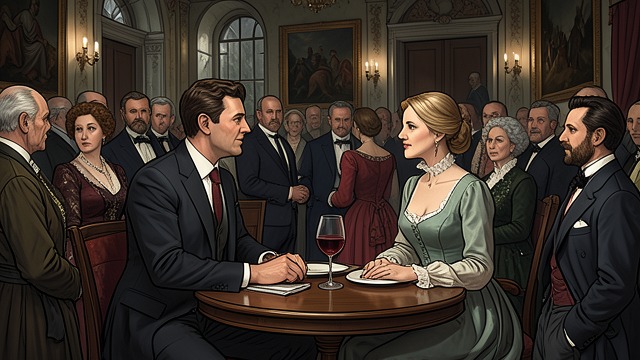
Chance Opens a Future
The encounter
The Landauers meet Rainer von Abt by chance at a Venetian gathering. A passing conversation becomes the beginning of a major architectural partnership.
The meeting appears trivial at first, yet it changes the shape of the couple’s home and future.
The pattern begins
The novel repeatedly shows lives intersecting through coincidence. Planning may follow an encounter, but it cannot explain why that encounter occurred.
The Ferris Wheel Encounter
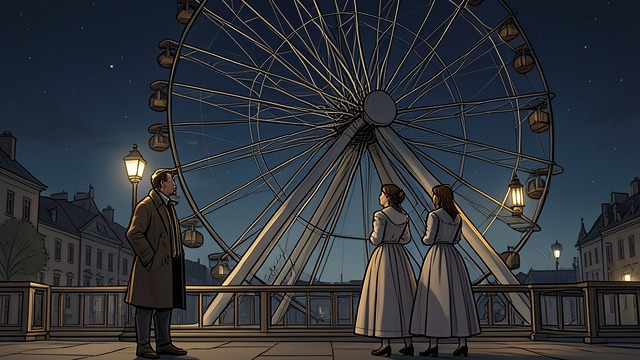
A Ride Changes Direction
A brief decision
Viktor meets Kata near the Wiener Riesenrad and invites her to ride. A question about fear turns a passing exchange into a sexual relationship that will endure beyond the first encounter.
The wheel becomes a private symbol for the path their lives take without either fully intending it.
Chance becomes consequence
What begins as an unplanned meeting acquires emotional weight through repeated choices. The novel distinguishes the accident of meeting from the responsibility of continuing.
A Refugee Reappears
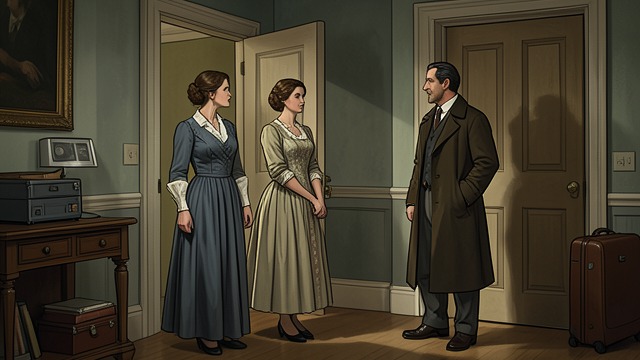
A Past Returns by Chance
The unexpected arrival
Kata appears among refugees in the Glass Room, and Viktor recognizes the woman he thought he had lost. She has reached the same city through flight and contingency, not through a plan to find him.
Their encounter makes private history collide with public humanitarian work.
Consequence in the present
The coincidence opens a possibility of renewed connection and changes the household’s arrangement. What seems fated is still shaped by choices made after the meeting.
Escape Interrupted
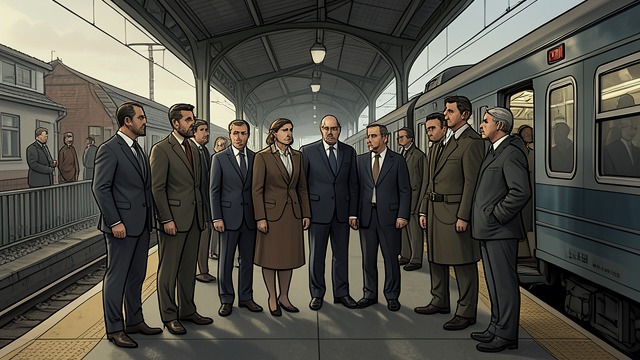
The Wrong Turn of Events
A planned route fails
The Landauers have arranged papers and travel, but officials detain Katalin and Marika at the French station. No prior preparation can ensure that the family remains together.
A procedural decision abruptly changes the future of every person on the train.
The cost of contingency
The incident is not a meaningful lesson or an orderly test; it is a random, brutal turn with lasting consequences. The characters must live with what chance has made irreversible.
A Final Reunion
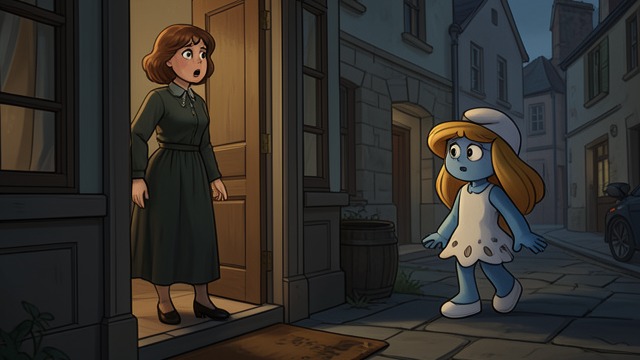
Chance Finds Another Path
Memory recognizes itself
Marie Delmas visits the house because an architectural photograph awakens childhood memory. There, she unexpectedly recognizes Ottilie, whose childhood belonged to the same home.
The meeting reconnects people separated by war and decades of silence.
No simple destiny
The reunion feels extraordinary, but the novel does not turn it into proof that everything was destined. Chance brings the women together; memory and recognition allow them to respond.
During the honeymoon in Venice
During Viktor’s first visit to the Prater
At the refugee committee meeting in Město
At Bayonne during the family’s flight
In 1990, at the house
